
Let’s explore how visual perception can lead us to jump to the wrong conclusions—and enjoy a good laugh along the way.
#1. A guaranteed best-seller among catholic priests.

#2. Catch these watermelons!

#5. A Catholic priest on casual Friday:

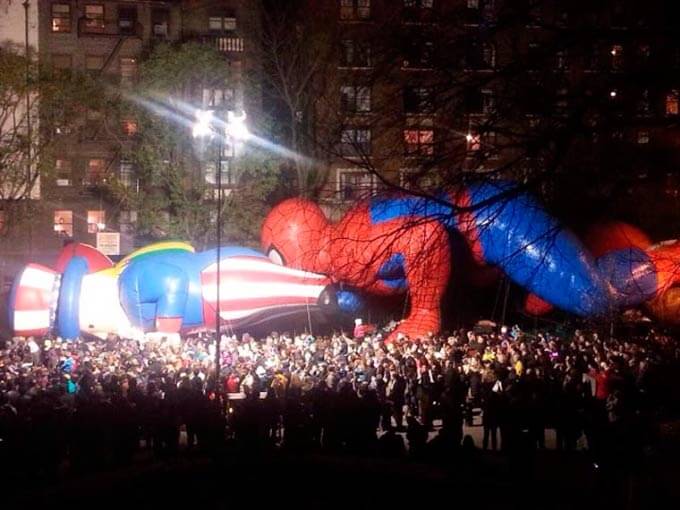
#6. Spider-Man is up for anything.
#7. Women’s golf trophy.

#8. Nice palm tree.

#10. Such an unfortunate photo when your hair-obscured upper arm got on the photo:

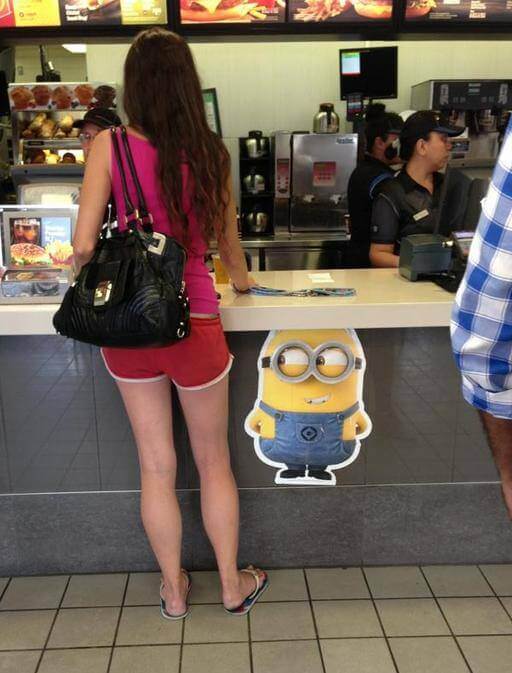
#12. Cheeky Minion.
#14. He really, really likes this vase.

#15. This freshly opened butter looks YUM!
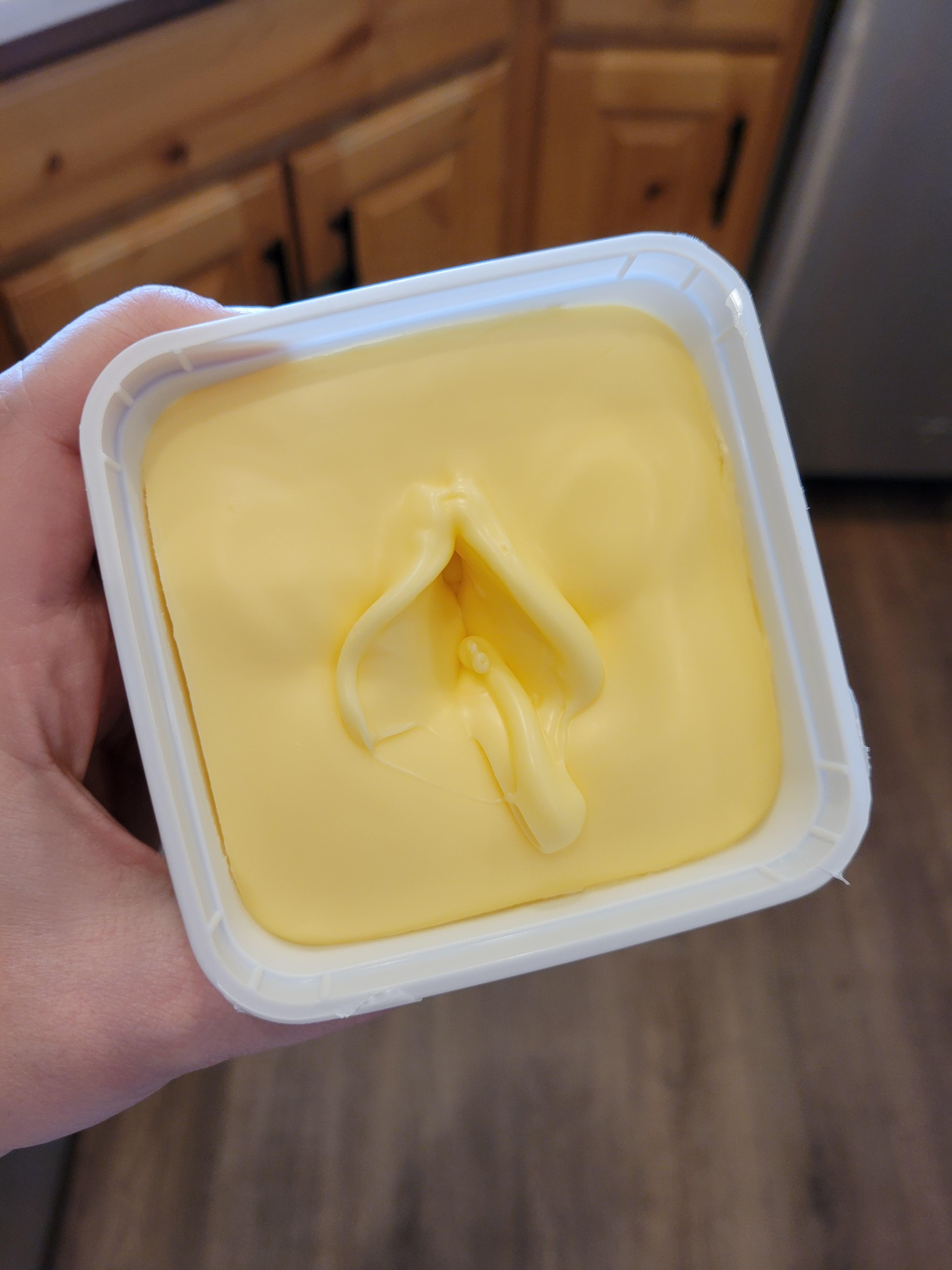
#16. This too.
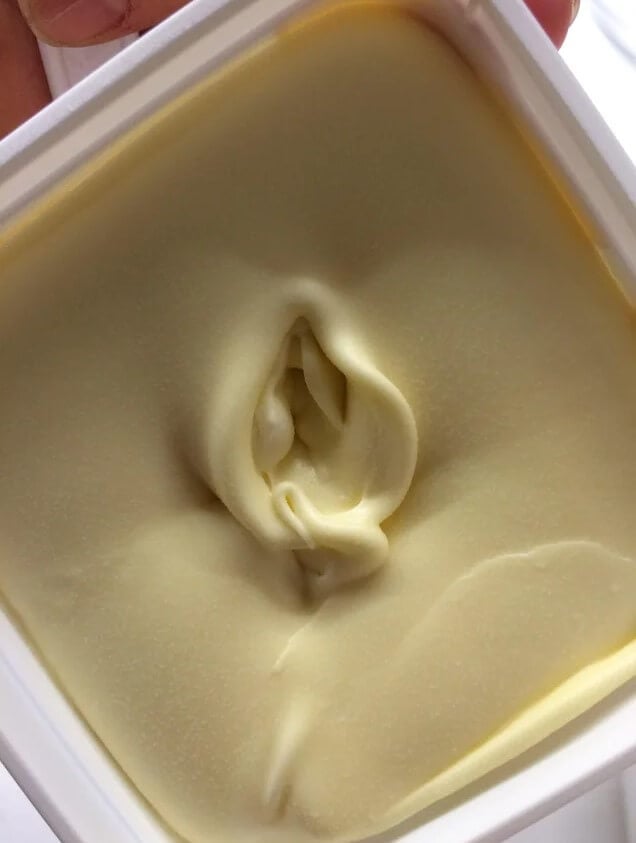
#17. Tasting time.

#19. Come on! It’s a kid’s show, don’t be a pervert.

#21. What a coincidence!
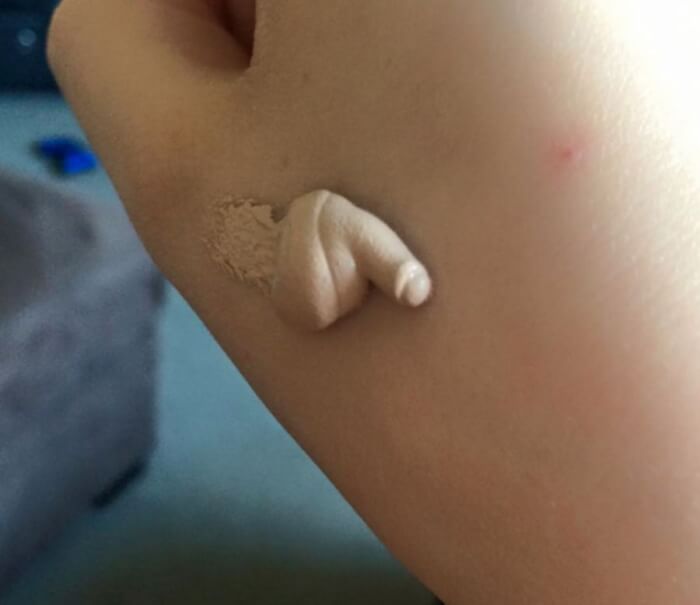
#22. Would you eat this pastry?

#23. That one BIG sweet potato.

#25. Hmm… starfish.
Panoramic pictures can be breathtaking if done right – a spectacular view stretching beyond the scope of peripheral vision, all in one frame. When left up to phone-wielding amateurs, however, they turn the panorama photo world into a warped, mutated circus of fear.


Why Do We See Things That Aren’t There?
Psychologists explain these funny misinterpretations through pareidolia, the human tendency to interpret random stimuli—like shadows, clouds, or shapes—as familiar objects or even faces.
According to Dr. Kang Lee, a professor at the University of Toronto who studies face perception, our brains are trained to identify meaningful shapes, especially human features.